
🔮 Introduction to Tarot
The spiritual meaning of tarot cards has guided seekers for centuries as a tool for insight, reflection, and deeper self-understanding. Rather than predicting fixed outcomes, tarot invites awareness. It helps people explore emotions, patterns, and inner truths that often remain hidden beneath the surface.
At its core, tarot is a symbolic language. Each card carries imagery that speaks to the subconscious through archetypes, intuition, and emotion. When these symbols appear in a reading, they reflect inner states, life themes, and potential paths forward. Because of this, tarot works best as a mirror rather than a rulebook ✨.
Many people turn to tarot during moments of uncertainty, transition, or self-discovery. The cards do not provide answers in a literal sense. Instead, they encourage reflection and clarity, allowing insight to emerge naturally. Over time, tarot becomes less about the cards themselves and more about the awareness they awaken.
In this article, we will explore the origins of tarot, its spiritual meaning, how the cards are commonly used, and what they can reveal about guidance, signs, and personal growth. Rather than doing too much, this guide offers a gentle introduction — one that respects both tradition and intuition 🌿🔮.
🕯️ The Origins of Tarot and Its Spiritual Roots
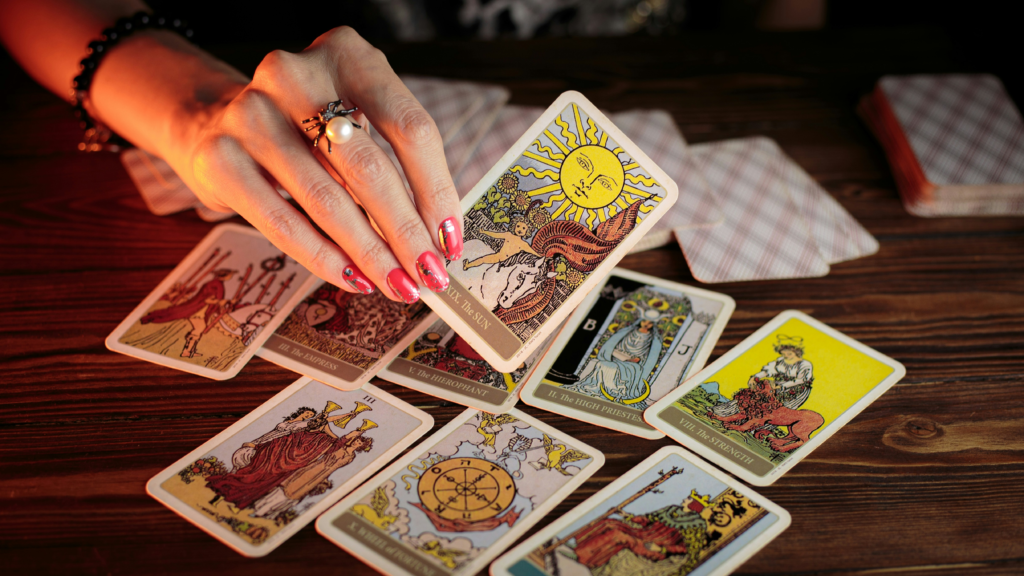
The spiritual meaning of tarot cards did not begin as a mystical practice in the way many people understand it today. Tarot first appeared in Europe during the 15th century as a card game used for entertainment and social gatherings. However, over time, people began to notice deeper symbolic patterns within the cards.
As interest in symbolism and spiritual knowledge grew, tarot gradually evolved beyond its original use. Scholars, mystics, and philosophers started to interpret the imagery as reflections of universal human experiences. As a result, tarot became a tool for insight rather than play.
🌍 How Tarot Became a Spiritual System
During the 18th and 19th centuries, tarot became closely linked with spiritual and esoteric traditions. Thinkers began to connect the cards to astrology, numerology, and ancient wisdom teachings. This shift marked an important moment in tarot’s history, transforming it into a symbolic system for self-reflection and guidance ✨.
Rather than offering predictions, tarot started to focus on meaning. Each card represented stages of life, emotional patterns, or spiritual lessons. This approach allowed people to use tarot as a way to explore inner awareness rather than external control.
🔮 The Role of Archetypes in Tarot
One reason tarot resonates so deeply lies in its use of archetypes. Archetypes are universal symbols that appear across cultures, myths, and spiritual traditions. Characters such as The Fool, The Magician, or The Hermit reflect experiences everyone encounters at different points in life.
Because these archetypes live within the subconscious, tarot imagery often feels familiar, even to first-time readers. This connection helps explain why the spiritual meaning of tarot cards feels intuitive rather than learned 🌙.
🌱 From Tradition to Personal Practice
Over time, tarot moved from formal esoteric study into personal spiritual practice. People began using the cards privately for reflection, journaling, and meditation. This shift made tarot accessible to anyone seeking clarity or direction.
Today, tarot continues to evolve. While its roots remain deeply symbolic, modern use focuses on personal growth, intuition, and awareness rather than rigid belief systems 🔮✨.
🌿 The Spiritual Meaning of Tarot Cards and the Major Arcana
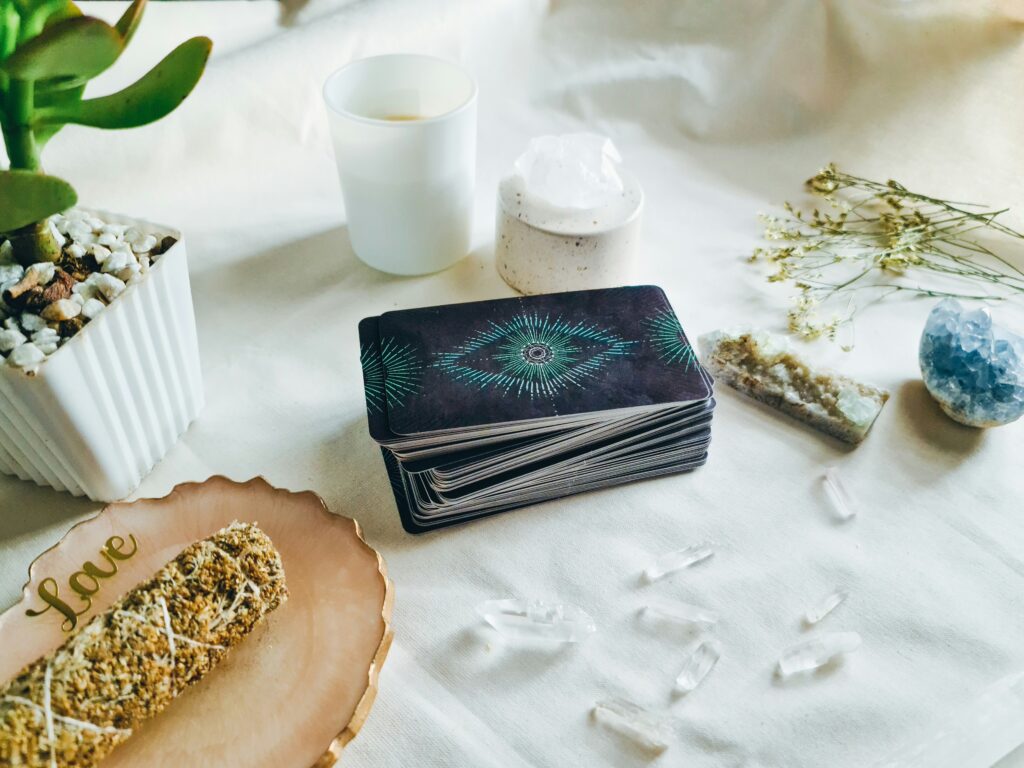
The spiritual meaning of tarot cards becomes especially clear through the Major Arcana. These cards represent key life themes, spiritual lessons, and stages of personal growth. Rather than focusing on everyday events, the Major Arcana highlights deeper patterns that shape awareness and direction.
Each card acts as a symbolic milestone. Together, they form a narrative often referred to as the soul’s journey — a progression from curiosity and potential to wisdom and integration ✨.
🔮 How the Spiritual Meaning of Tarot Cards Appears Through Archetypes
The Major Arcana uses archetypes to communicate spiritual insight. Archetypes speak directly to the subconscious, which is why tarot often feels intuitive rather than analytical. Cards like The Fool, The High Priestess, or The Hermit reflect universal experiences such as beginnings, inner knowing, and solitude.
Because these archetypes exist across cultures and traditions, their meaning often resonates deeply. As a result, the spiritual meaning of tarot cards tends to feel personal, even when the symbols appear ancient or unfamiliar 🌙.
🌱 The Spiritual Meaning of Tarot Cards as Guidance, Not Prediction
Tarot does not operate as a fixed prediction system. Instead, the spiritual meaning of tarot cards offers guidance by reflecting current energies, choices, and emotional patterns. The cards highlight possibilities rather than certainties.
This approach empowers the individual. Rather than waiting for outcomes, tarot encourages awareness and conscious decision-making. In this way, tarot supports growth rather than dependence 🔮✨.
🌌 Connecting Tarot Symbolism to Inner Awareness
Many people combine tarot with other reflective practices to deepen understanding. Journaling, meditation, or mindful observation often enhance how messages are received and integrated.
If you’re interested in strengthening inner awareness alongside symbolic tools, you may also enjoy exploring how mindfulness supports clarity and presence in everyday life.
👉 Mindfulness: Returning to Yourself in a World That Never Slows Down
📚 A Grounded Perspective on Tarot Symbolism
For readers who appreciate historical and symbolic context, this trusted resource explores tarot imagery and its cultural evolution in a balanced way:
👉 https://www.britannica.com/topic/tarot
🌙 The Spiritual Meaning of Tarot Cards in Everyday Use
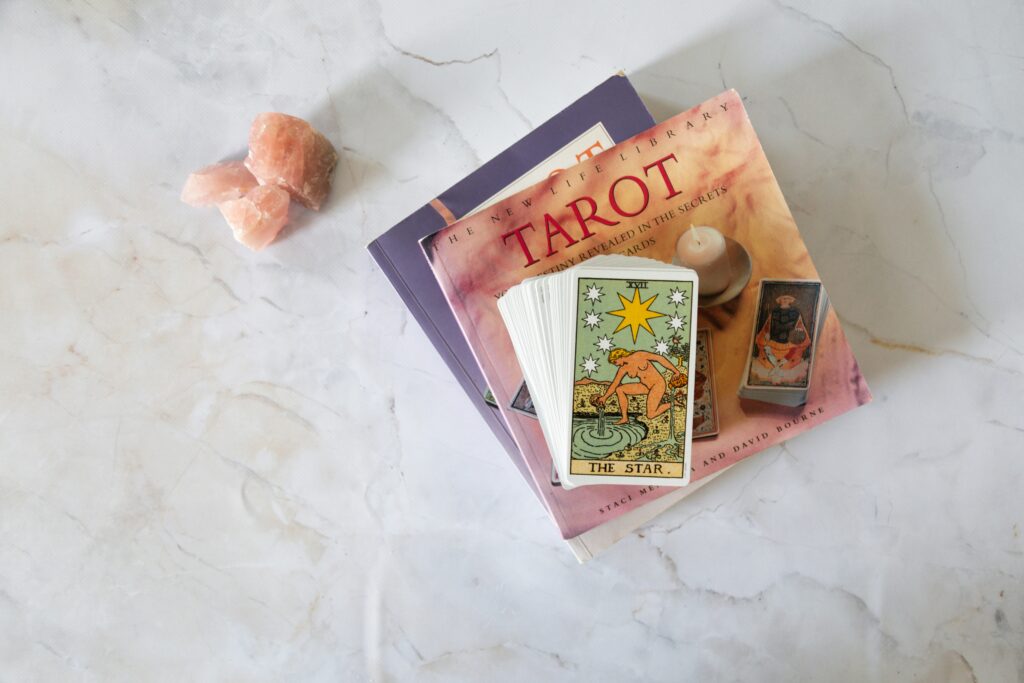
The spiritual meaning of tarot cards becomes most powerful when applied to everyday life. Rather than reserving tarot for rare moments, many people use it as a regular tool for reflection, clarity, and emotional awareness. In this way, tarot supports daily decision-making without creating dependence.
Tarot works best when approached with curiosity rather than expectation. A simple question or intention often reveals insight that feels relevant and grounding.
🃏 Using the Spiritual Meaning of Tarot Cards for Self-Reflection
Many readers use tarot as a mirror for the inner world. By asking reflective questions — such as What energy surrounds this situation? or What lesson is present right now? — the cards highlight emotional patterns and subconscious influences.
This practice encourages honesty. Instead of offering solutions, tarot reveals perspectives that help you respond with awareness rather than impulse 🌿.
🔍 Signs, Synchronicities, and Repeating Cards
Over time, certain cards may appear repeatedly. These moments often feel meaningful. The spiritual meaning of tarot cards in repetition usually points toward themes that seek attention or integration.
For example, frequently drawing cards related to change, balance, or boundaries may reflect ongoing life lessons. Rather than fixating on meaning, observing emotional responses often provides the clearest insight ✨.
🌱 Responsible and Balanced Tarot Practice
A balanced tarot practice respects intuition without replacing personal responsibility. Tarot does not remove free will. Instead, it highlights options and invites conscious choice.
Keeping readings simple helps maintain clarity. One-card or three-card spreads often provide more insight than complex layouts. This approach keeps tarot supportive rather than overwhelming 🔮.
🌟 When Tarot Becomes Most Helpful
The spiritual meaning of tarot cards often feels strongest during moments of transition. Career changes, relationship shifts, or periods of uncertainty naturally invite reflection. Tarot supports these moments by slowing the mind and focusing attention inward.
Used gently, tarot becomes a companion rather than an authority — a way to listen more closely to inner wisdom 🌙.
🔮 Conclusion: Tarot as a Tool for Inner Awareness
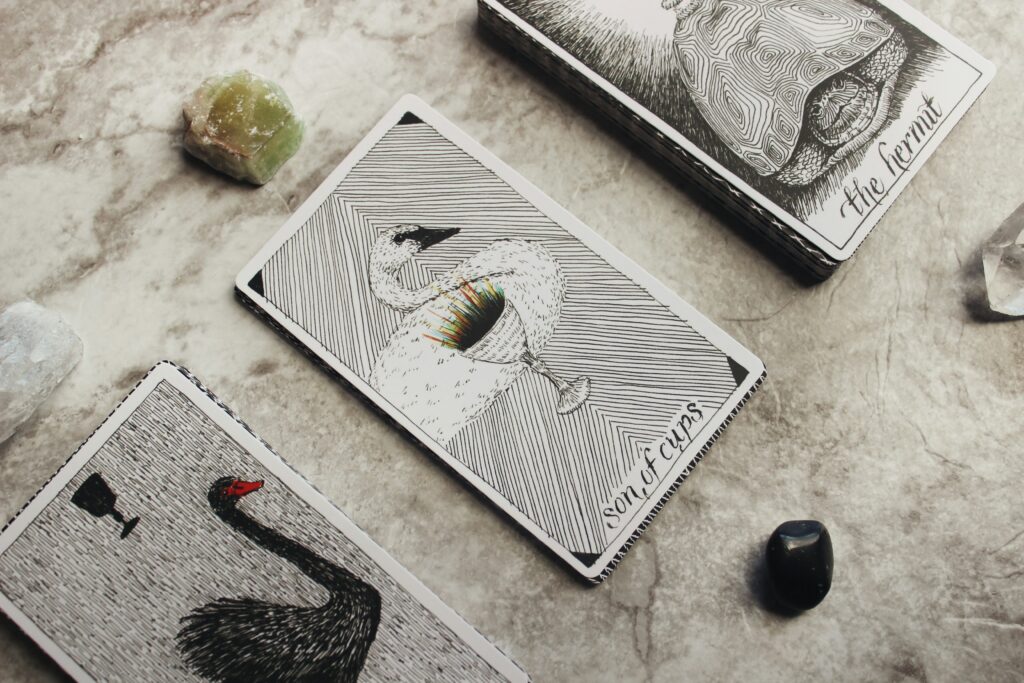
Tarot offers a quiet space for reflection in a world that often feels uncertain and fast-moving. Through symbolism and archetypes, the cards invite awareness rather than certainty. They encourage you to pause, observe, and listen to what is unfolding beneath the surface of daily life.
When approached with intention, tarot supports self-understanding and emotional clarity. It does not replace intuition — it strengthens it. By reflecting inner patterns and potential paths, tarot helps bring subconscious insight into conscious awareness.
Over time, tarot becomes less about interpretation and more about relationship. A relationship with symbols, with inner guidance, and with the present moment. Used gently and responsibly, tarot remains a meaningful companion on the path of personal growth and spiritual exploration ✨🔮.