
🧘 Introduction to Meditation
Meditation benefits and practices have been recognised for thousands of years as powerful tools for calming the mind and restoring inner balance. Across cultures and traditions, meditation has been used to cultivate awareness, clarity, and a deeper connection to the present moment. Rather than being about stopping thoughts, meditation invites a different relationship with them.
At its core, meditation is the practice of attention. It teaches the mind to slow down and observe rather than react. In a world filled with constant stimulation, this simple act of pausing can feel transformative. Through regular practice, many people notice improved emotional balance, clearer thinking, and a greater sense of inner calm 🌿.
Although meditation has ancient spiritual roots, it remains highly relevant today. Modern life often keeps the nervous system in a state of stress and urgency. Meditation offers a way to step out of that cycle, even briefly, and return to a state of presence and awareness. This makes it accessible to anyone, regardless of background or belief ✨.
In this article, we’ll explore the origins of meditation, its key benefits, and simple practices that beginners can use in everyday life. Rather than overcomplicating the process, this guide focuses on practical understanding — helping meditation feel approachable, supportive, and sustainable 🧘♂️🌱.
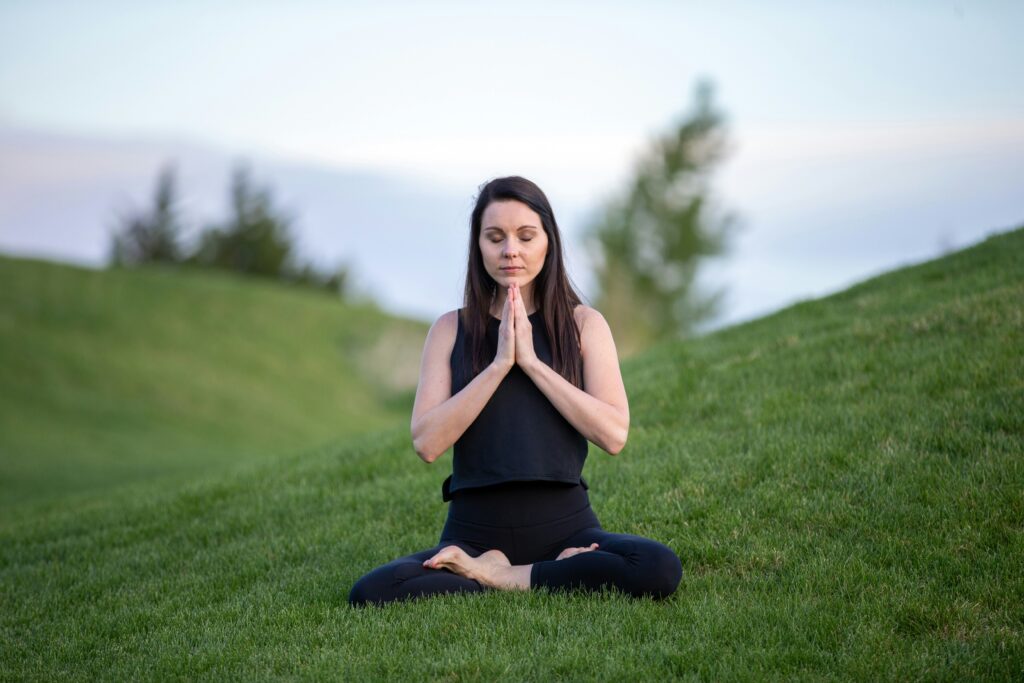
🌿 The Origins of Meditation and Its Spiritual Roots
To fully appreciate meditation benefits and practices, it helps to understand where meditation comes from. Meditation has ancient roots that stretch back thousands of years, appearing in early spiritual traditions across India, China, and other parts of Asia. These practices were originally developed as paths toward inner awareness, wisdom, and liberation.
In early Hindu and Buddhist traditions, meditation supported spiritual insight and self-realisation. Rather than focusing on external rituals, practitioners turned inward, using breath, stillness, and attention to understand the nature of the mind and self. Over time, meditation became a central tool for cultivating clarity and compassion 🌱.
🕉 Meditation in Eastern Traditions
In Buddhism, meditation plays a key role in developing mindfulness and understanding suffering. Practices such as mindfulness of breathing and loving-kindness meditation help cultivate presence and emotional balance. Similarly, in Hindu philosophy, meditation supports connection with deeper consciousness through practices like mantra repetition and focused awareness.
Although methods differ, these traditions share a common goal: calming mental noise to access deeper insight rather than chasing external outcomes ✨.
🌏 Meditation Across Cultures
Meditation-like practices also appeared beyond Asia. Ancient Greek philosophers explored contemplative reflection, while Indigenous cultures around the world used stillness, rhythm, and breath to connect with nature and inner guidance. These parallels suggest that the human desire for inner clarity is universal.
As meditation spread globally, it adapted to different cultural contexts. This flexibility helped it survive across centuries and traditions 🌿.
🧘 Meditation in the Modern World
Today, meditation has moved beyond religious settings into everyday life. People now practice meditation for stress relief, emotional regulation, and mental clarity. Although the context has changed, the core intention remains the same — awareness, presence, and balance.
By understanding its origins, meditation becomes more than a trend. It becomes part of a long-standing human practice rooted in self-awareness and inner peace ✨🧘♀️.
🌱 Meditation Benefits and Practices for Mind and Body
Understanding meditation benefits and practices helps clarify why this ancient discipline remains relevant today. Meditation supports both mental and physical well-being by encouraging awareness rather than suppression. Instead of trying to control thoughts, meditation teaches how to observe them calmly.
Over time, this shift in attention creates noticeable changes in how stress, emotions, and focus are experienced 🌿.
🧘 Mental and Emotional Meditation Benefits
One of the most well-known meditation benefits is emotional balance. Regular practice helps calm mental chatter and reduces reactivity. As a result, many people experience greater patience, improved focus, and clearer thinking.
Meditation also supports self-awareness. By noticing thoughts without judgment, it becomes easier to understand emotional patterns and respond more intentionally. This awareness often complements mindfulness practices that encourage presence in everyday life. Read our article here:
👉 Mindfulness: Returning to Yourself in a World That Never Slows Down
🌿 Physical Benefits of Meditation Practices
Meditation practices also influence the body. Slowing the breath and relaxing attention helps calm the nervous system, which supports rest and recovery. Many people notice improved sleep, reduced tension, and a greater sense of physical ease.
Although meditation is not a medical treatment, it is widely used as a supportive practice for overall well-being. Its gentle nature makes it accessible to people of all ages and lifestyles ✨.
🌱 Simple Meditation Practices for Beginners
Meditation does not need to be complex. Some of the most effective practices are also the simplest:
- Breath awareness – gently observing the natural rhythm of breathing
- Body awareness – noticing sensations without trying to change them
- Loving-kindness meditation – cultivating compassion toward yourself and others
These meditation practices help build consistency without pressure. Even a few minutes a day can support clarity and calm 🧘♂️.
📚 A Grounded Perspective on Meditation Benefits
For readers interested in research-backed insights into meditation, this resource offers a clear overview of how meditation supports mental and emotional health:
👉 https://www.nccih.nih.gov/health/meditation
🌿 Common Challenges in Meditation Practices
Even though meditation is simple in concept, many people face challenges when they begin. Understanding these common obstacles helps remove unnecessary pressure and allows meditation benefits and practices to unfold more naturally.
Rather than viewing challenges as failures, it’s helpful to see them as part of the process.
🧠 “I Can’t Stop Thinking”
One of the most common concerns in meditation is the belief that the mind should become completely quiet. In reality, meditation is not about stopping thoughts. It’s about noticing them without getting carried away.
When thoughts arise, gently returning attention to the breath or body is already meditation. Each return builds awareness and patience 🌱.
⏳ Difficulty Staying Consistent
Another challenge lies in consistency. Busy schedules, fatigue, or lack of motivation often interrupt regular practice. Instead of aiming for long sessions, short and consistent practices tend to be more effective.
Even a few minutes a day can support meditation benefits and practices over time. Consistency matters more than duration ✨.
😴 Feeling Restless or Sleepy
Some people feel restless when they sit still, while others feel sleepy. Both responses are normal. Restlessness often reflects stored mental energy, while sleepiness may signal exhaustion.
Adjusting posture, opening the eyes slightly, or practicing at a different time of day can help restore balance 🧘♂️.
🌫 Doubt and Self-Judgment
Doubt often appears when progress feels unclear. Meditation benefits are subtle and cumulative, which makes them easy to overlook early on. Comparing your experience to others can also trigger self-judgment.
Letting go of expectations allows meditation to meet you where you are. Progress often shows up quietly — through calmer reactions, clearer thinking, or deeper presence 🌿.
🌱 Working With Challenges Rather Than Against Them
Challenges are not obstacles to meditation; they are part of it. Each moment of awareness, even discomfort, strengthens attention and understanding.
By approaching difficulties with curiosity rather than resistance, meditation benefits and practices become more sustainable and meaningful over time ✨.

🧘 Conclusion: Returning to Stillness Through Practice
Meditation offers a simple yet powerful way to reconnect with yourself. Through awareness and presence, meditation benefits and practices support clarity, emotional balance, and inner calm. Rather than changing who you are, meditation invites you to meet yourself as you are.
With time and consistency, meditation becomes less about technique and more about relationship. A relationship with breath, with awareness, and with the present moment. Even brief moments of stillness can shift how you respond to daily life.
Challenges will arise, but they do not signal failure. They signal engagement. By approaching meditation with patience and curiosity, its benefits unfold naturally. In that quiet space of attention, balance returns — not as something to achieve, but as something already within reach 🌿✨.