
🌿 Introduction to Essential Oils
Essential oils benefits have been recognised for thousands of years, long before modern wellness trends embraced natural healing 🌱. Although life today feels fast and overwhelming, many people are rediscovering these plant-based extracts for their calming, balancing, and restorative effects. As a result, essential oils have become a bridge between ancient wisdom and modern self-care.
At their core, essential oils are highly concentrated extracts taken from flowers, leaves, roots, bark, and resins. Each oil carries its own aroma, energy, and therapeutic quality. Moreover, different cultures believed these natural scents could influence the body, mind, and spirit in subtle yet powerful ways.
In this guide, we will explore the origins of essential oils, their most common uses, and the effects they may have on emotional and physical well-being. Additionally, we will share simple tips and advice to help you use essential oils safely and intentionally. Ultimately, this article invites you to slow down, reconnect with nature, and discover how scent can become a meaningful part of your daily rituals ✨🌿.
🌍 The Ancient Origins of Essential Oils
Long before modern science studied aromatherapy, ancient civilizations were already aware of the powerful essential oils benefits found in nature 🌿. In fact, people across different cultures independently discovered that plant essences could support healing, rituals, and emotional balance. This shared understanding shows just how universal the connection between scent and well-being truly is.
🏺 Essential Oils in Ancient Egypt
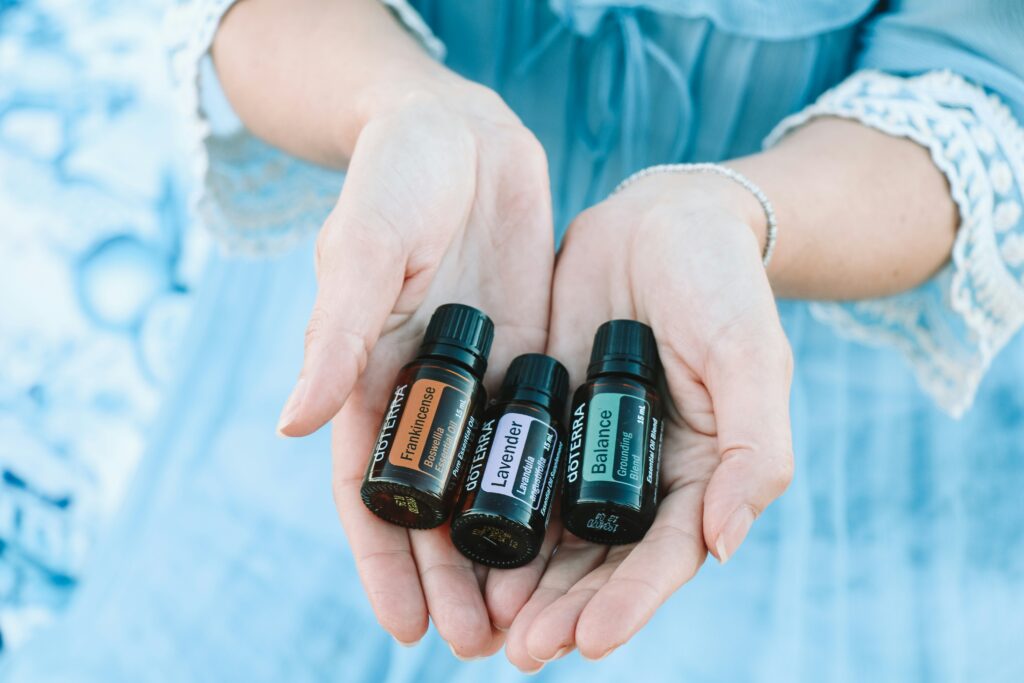
Ancient Egyptians were among the earliest known users of essential oils. They extracted oils from plants such as frankincense, myrrh, and cedarwood, and used them for spiritual ceremonies, skincare, and preservation rituals. Moreover, these oils played an important role in temple offerings and burial practices, as Egyptians believed scent could guide the soul and protect it in the afterlife.
🏛 Essential Oils in Ancient Greece and Rome
Later on, the Greeks expanded the use of essential oils into medicine and daily life. Physicians such as Hippocrates believed aromatic plants could support physical health and emotional harmony. As a result, oils were used in baths, massages, and healing treatments.
Similarly, the Romans embraced essential oils for relaxation and hygiene. They infused bathhouses with aromatic oils, believing that scent could calm the mind and restore balance after physical strain.
🌿 Essential Oils in Eastern Traditions
In ancient China and India, essential oils were closely linked to spiritual and energetic practices. In Ayurveda, plant oils were used to balance the body’s energy and support inner harmony. Likewise, traditional Chinese practices valued aromatic herbs for their grounding and revitalising qualities.
Although these traditions developed separately, they all shared one belief: nature offers gentle tools for healing when approached with respect and intention.
🌸 Essential Oils Benefits and Common Uses
Today, people use essential oils in many different ways, both practically and spiritually. Although each oil has its own unique properties, they all share the ability to influence mood, atmosphere, and emotional well-being. Moreover, essential oils offer gentle support rather than instant solutions, which is why they fit so naturally into mindful living practices.
🌿 Emotional and Mental Well-Being
One of the most appreciated essential oils benefits is their effect on emotions. Scents interact directly with the nervous system, which is why certain aromas feel calming while others feel energising. For example, lavender is often used to promote relaxation, while citrus oils are commonly chosen to lift mood and encourage clarity.
As a result, many people diffuse oils during meditation, journaling, or quiet moments of reflection. These rituals help create a peaceful environment where the mind can slow down and reset.
💆 Physical Comfort and Daily Support
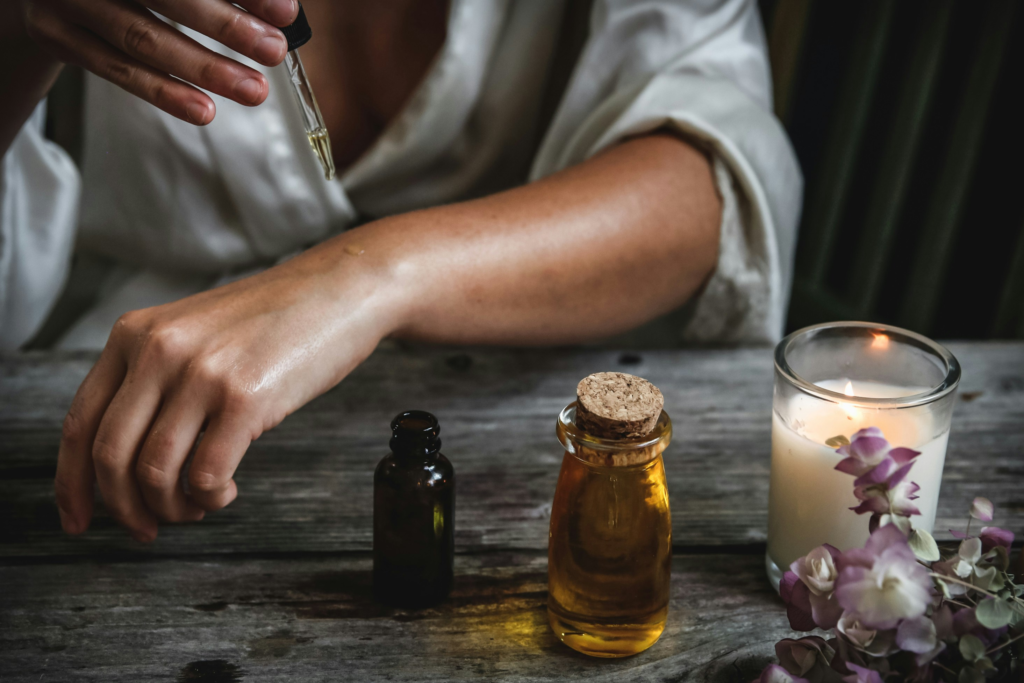
Essential oils are also used to support physical comfort when diluted and applied correctly. Oils like peppermint or eucalyptus are often used in massage blends to ease tension and refresh the body. Additionally, some people incorporate oils into warm baths or self-care routines to enhance relaxation after long days.
For safe and educational guidance on essential oil usage, you can explore this trusted aromatherapy resource:
👉 https://www.aromatherapy.com
🔮 Spiritual and Energetic Practices
Beyond physical and emotional support, essential oils are often used in spiritual rituals. Many practitioners believe that scent helps clear stagnant energy and deepen intention. Oils such as frankincense, sandalwood, and myrrh are commonly associated with grounding, meditation, and spiritual focus.
If you enjoy combining scent with other spiritual tools, you may also find inspiration in our guide on healing crystals and their spiritual uses, which explores how natural elements support energy and intention:
👉 Healing Crystals: From Sacred Civilisations to the Transformative Energy That Heals
✨ Creating Everyday Rituals
Because essential oils are so versatile, they easily fit into daily routines. Whether diffused in the morning, added to a bath in the evening, or used during moments of reflection, they help transform ordinary habits into mindful rituals. Over time, these small practices can support balance, presence, and emotional awareness.
🌿 Tips for Using Essential Oils Safely and Intentionally
Essential oils offer powerful support, but you should always use them with care and awareness. Because these oils are highly concentrated, small amounts go a long way. Start slowly, observe how your body responds, and adjust your use accordingly.
Always dilute essential oils before applying them to the skin. Carrier oils such as coconut, jojoba, or almond oil help protect the skin and improve absorption. In addition, perform a patch test before trying a new oil to avoid irritation or sensitivity.
When diffusing oils, keep sessions short and well-ventilated. This approach allows the scent to refresh the space without overwhelming your senses. Moreover, choose oils that match your intention. For example, use calming oils in the evening and uplifting oils in the morning.
Store essential oils in dark glass bottles and keep them away from direct sunlight. Proper storage preserves their quality and effectiveness. If you are pregnant, managing health conditions, or using oils with children, consult a qualified professional before use.
Most importantly, trust your intuition. If an oil feels supportive and grounding, it likely aligns with your energy. If it feels uncomfortable, choose another option. Your body always gives feedback.
✨ Conclusion: Inviting Nature into Everyday Life
Essential oils connect us to nature in a simple yet meaningful way. They encourage mindfulness, support emotional balance, and transform everyday moments into intentional rituals. Moreover, their long history reminds us that natural healing has always played a role in human well-being.
As you explore different oils, you may notice how scent influences your mood, focus, and sense of presence. By using essential oils consciously and respectfully, you create space for calm, clarity, and connection in your daily life.
Ultimately, essential oils invite you to slow down, breathe deeply, and reconnect with the natural rhythms around you. When you approach them with intention, they become more than fragrances — they become gentle companions on your journey toward balance and self-awareness 🌿✨.