
Introduction to Energetic Points Around the World
Energetic points around the world have drawn human attention for thousands of years. Long before modern maps and technology, ancient cultures identified certain locations as powerful, sacred, or deeply transformative. These places were often associated with heightened awareness, inner peace, or a strong sense of connection to something greater.
Across continents, people have described similar experiences at these sites. Some feel grounded and calm, while others report emotional release or spiritual clarity. Although the explanations vary, the shared experience remains strikingly consistent.
Many of these energetic points exist in natural landscapes such as mountains, forests, deserts, and bodies of water. Others take the form of temples, monuments, or ancient structures built with intention and symbolic alignment. In both cases, these locations seem to carry meaning that goes beyond their physical appearance.
In this article, we will explore what energetic points are believed to be, why humans have always felt drawn to them, and how both natural and man-made sites around the world came to be seen as places of power. Rather than doing too much, we’ll focus on the most important ideas — offering a grounded and accessible guide to these fascinating locations ✨🌿.
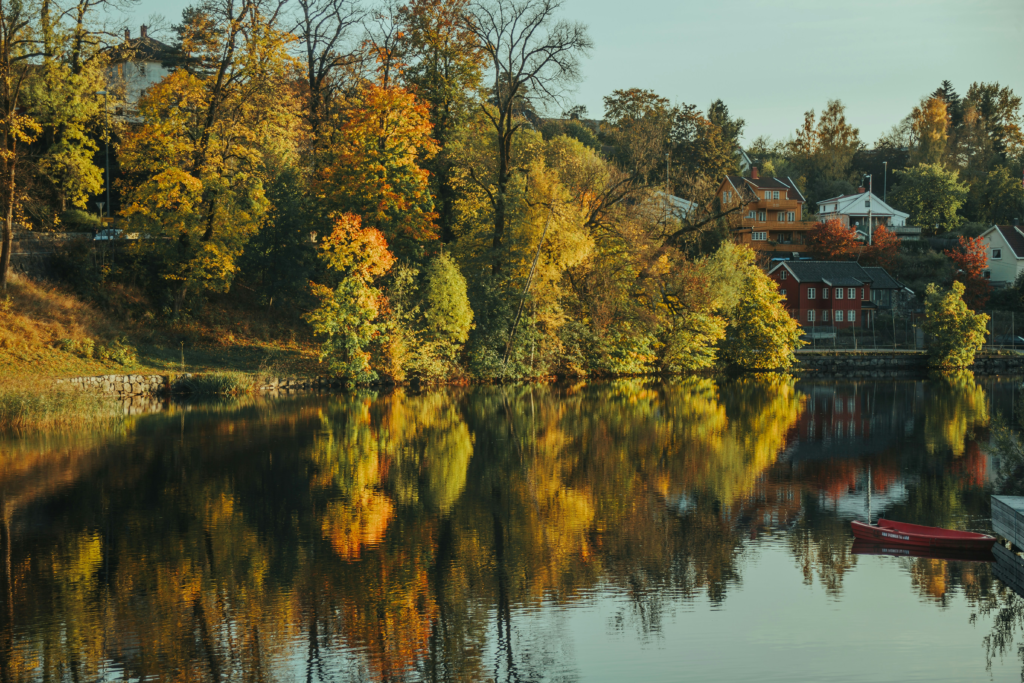
🌿 What Are Energetic Points?
Energetic points are locations believed to hold a heightened concentration of natural or spiritual energy. Many people describe these places as feeling different from their surroundings. Awareness sharpens. Emotions surface more easily. A sense of calm or clarity often follows.
The idea suggests that the Earth carries subtle energy flows, much like currents. Where these flows intersect or intensify, energetic points form. As a result, people across cultures have identified similar locations as sacred, even without direct contact with one another.
🌍 Energetic Points Around the World and Earth’s Energy
Many traditions describe the Earth as a living system. Mountains, rivers, and land formations play an active role in this system. Certain locations amplify natural forces such as magnetism, vibration, or resonance.
Over time, people noticed that these areas supported reflection, healing, or spiritual insight. Because of this, energetic points around the world often became gathering places for ceremony, meditation, or pilgrimage ✨.
🧭 How People Experience Energetic Locations
Not everyone experiences energetic points in the same way. Some feel physical sensations such as warmth, tingling, or relaxation. Others notice emotional shifts, memories surfacing, or a sense of deep peace.
Importantly, these experiences do not require belief. Many people report feeling something before they understand where they are or why the site holds meaning. This response has encouraged curiosity and respect for these locations throughout history.
🌱 Why These Places Continue to Matter
Even today, energetic points remain relevant. People seek them out to slow down, reconnect with nature, or gain perspective. In a fast-moving world, these locations offer stillness and grounding.
Rather than offering answers, energetic points invite awareness. They encourage presence, reflection, and a deeper relationship with the world beneath our feet 🌿.
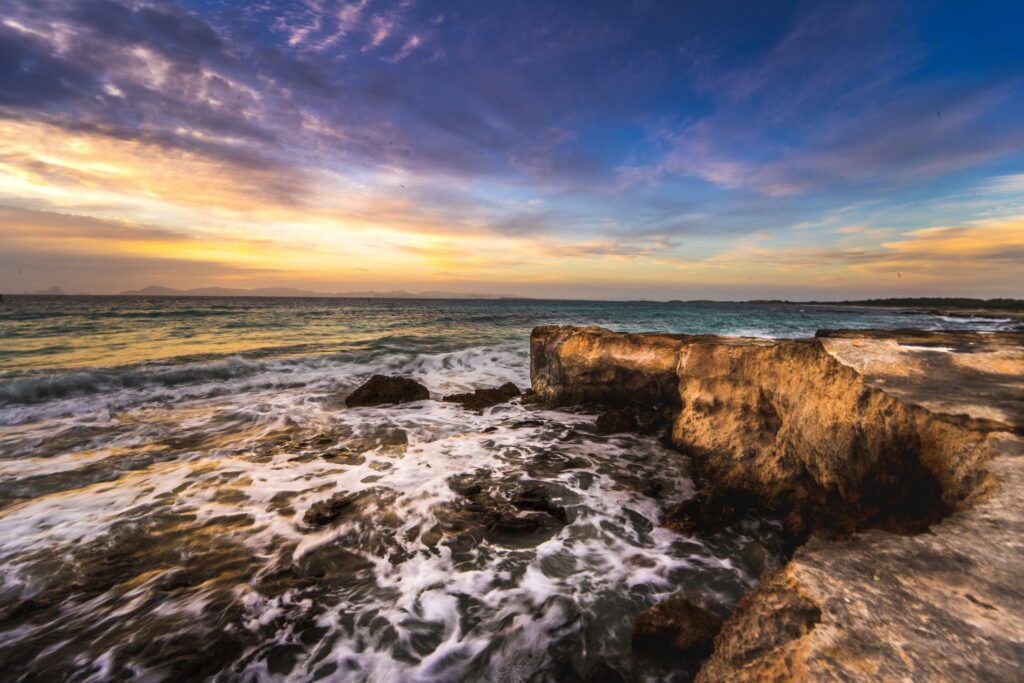
🌍 Natural Energetic Points Around the World
Many energetic points around the world exist in nature rather than in built structures. Mountains, forests, deserts, and bodies of water often carry a powerful presence that people feel instinctively. These places tend to encourage stillness, reflection, and a deep sense of connection.
Nature shapes these locations slowly over time. As a result, their energy feels steady and grounding rather than intense or overwhelming.
⛰ Sacred Mountains and High Places
Mountains have long held spiritual significance across cultures. Their height draws the eye upward and creates a sense of perspective and humility. Many people feel mentally clear and emotionally balanced at higher altitudes.
Places like Mount Kailash in Tibet, Mount Shasta in the United States, and Uluru in Australia are often described as powerful natural energetic points. Pilgrims and visitors travel to these locations seeking insight, healing, or a deeper connection to the Earth ✨.
🌲 Forests as Natural Energy Holders
Forests offer a different kind of energy — one that feels nurturing and stabilising. Dense trees filter sound, soften light, and slow the pace of thought. As a result, many people experience calm and clarity when spending time among trees.
Ancient forests, in particular, feel deeply grounded. Their long life cycles and quiet resilience often inspire emotional balance and presence 🌿.
🌊 Water Sites and Flowing Energy
Water plays a vital role in many energetic locations. Rivers, waterfalls, lakes, and oceans create constant movement and sound, which helps release mental tension. Many cultures associate water with cleansing, renewal, and emotional flow.
Places such as the Ganges River, Lake Titicaca, and powerful waterfalls around the world continue to draw people for reflection and spiritual connection. Water reminds us that energy does not stay still — it flows and adapts 🌊.
🏜 Deserts and Vast Natural Landscapes
Although deserts may appear empty, they often carry intense clarity. The wide open space reduces distraction and invites deep introspection. Without noise or visual clutter, attention naturally turns inward.
Many spiritual traditions view deserts as places of transformation. Their simplicity strips life down to essentials, creating space for insight and awareness 🌞.
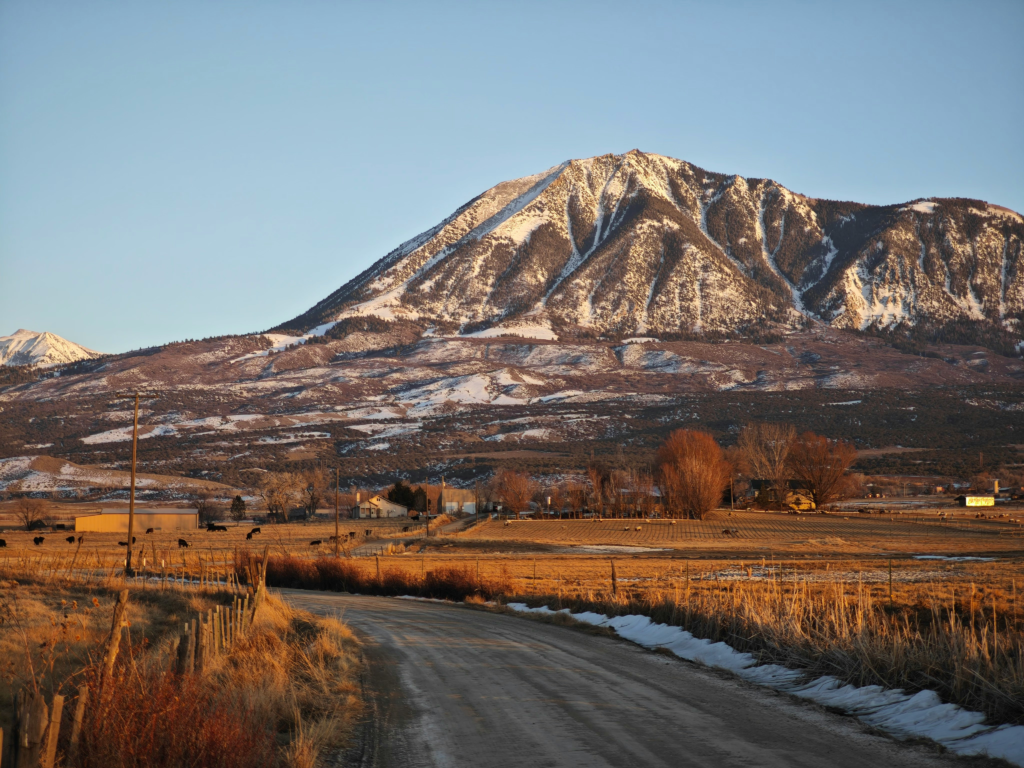
🏛 Man-Made Sacred Sites and Structures
Not all energetic points around the world formed naturally. Throughout history, humans intentionally built temples, monuments, and cities on locations believed to hold strong energy. Rather than choosing sites at random, ancient civilizations often aligned structures with the land, the stars, and natural forces.
These places continue to draw visitors today, not only for their beauty or history, but also for the atmosphere they create.
🗿 Ancient Monuments Built on Energetic Points
Many ancient monuments sit on land long considered sacred. Structures such as Stonehenge in England, the Pyramids of Giza in Egypt, and Machu Picchu in Peru were built with precise alignment and symbolic intention. Their locations suggest an understanding of the Earth’s natural energy long before modern tools existed.
People often report a sense of awe, stillness, or heightened awareness at these sites. Even without knowing their history, visitors frequently feel that something about these places stands apart ✨.
🛕 Temples and Sacred Architecture
Temples across cultures were designed as spaces of connection and balance. Builders carefully considered direction, geometry, and placement to support reflection and spiritual focus. As a result, these structures often feel calm, centred, and deeply intentional.
From ancient Hindu temples to Buddhist stupas and sacred churches, these buildings invite quiet attention. Many people notice a shift in mood or awareness as soon as they enter, suggesting that the environment itself supports inner stillness 🌿.
🌍 Cities Built with Symbolic Alignment
Some entire cities were planned around energetic principles. Ancient cultures aligned streets, landmarks, and gathering spaces with celestial events or natural features. This approach helped integrate daily life with spiritual awareness.
Although modern cities often move away from this mindset, traces of symbolic alignment still remain. These remnants continue to influence how people experience certain locations, even centuries later.
✨ Why These Structures Still Hold Meaning
Man-made sacred sites remind us that humans have long sought harmony with the Earth. These structures reflect a desire to honour natural energy rather than dominate it. As a result, they continue to feel relevant and powerful today.
Rather than forcing belief, these places invite reflection. They offer space to pause, notice, and reconnect — much like natural energetic points do.
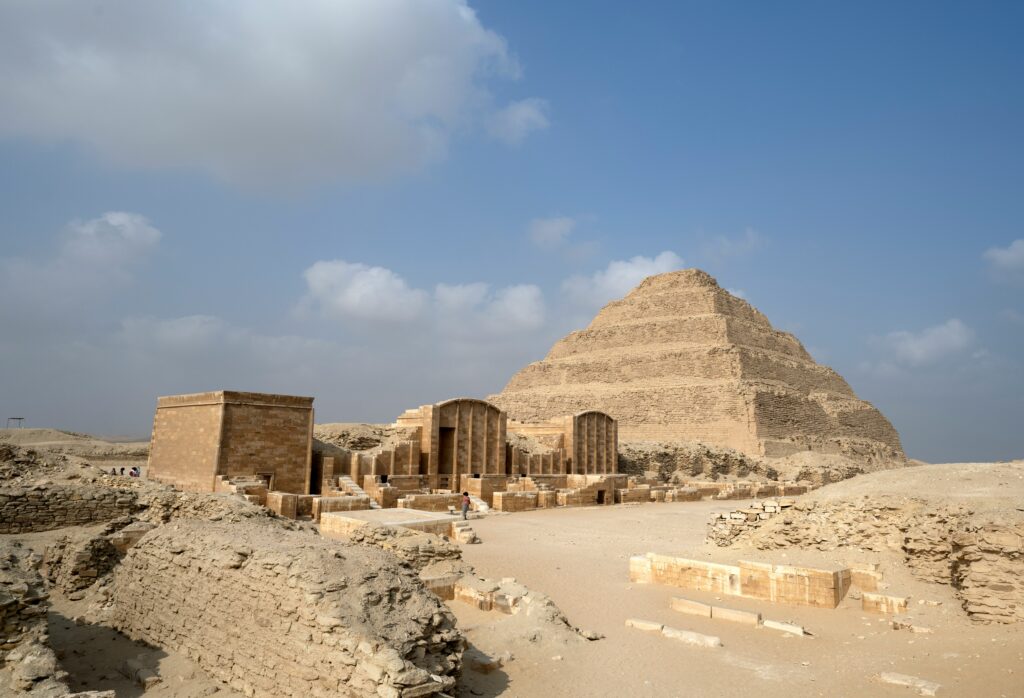
🧠 Why Humans Are Drawn to Energetic Points
Humans have always felt drawn to certain places, even without understanding why. Long before written history, people gathered at specific locations to reflect, celebrate, or seek guidance. These patterns suggest that the pull toward energetic points is deeply rooted in human awareness.
Rather than being random, this attraction often connects to how the body and mind respond to the environment.
🌿 A Natural Response to Stillness and Space
Energetic points often exist in places that reduce distraction. Wide landscapes, quiet forests, or carefully designed sacred spaces naturally slow the mind. As external noise fades, inner awareness becomes easier to access.
Because of this, people tend to feel more present and grounded in these locations. The body relaxes. Breathing deepens. Attention shifts inward without effort ✨.
🧭 Seeking Meaning Beyond Routine
Throughout history, humans have searched for meaning beyond daily survival. Energetic points provided places where people could step out of routine and reconnect with something larger than themselves.
Pilgrimages, rituals, and journeys to sacred sites reflect this need. These experiences helped individuals gain perspective, release emotional weight, or mark important transitions in life 🌍.
🌱 The Role of Nature and Symbolism
Natural energetic points remind people of their place within the Earth’s rhythms. Mountains, water, and vast landscapes highlight scale, time, and continuity. This perspective often brings humility and emotional clarity.
Similarly, man-made sacred sites use symbolism to guide attention. Architecture, alignment, and structure encourage reflection and focus. Together, nature and design support awareness rather than distraction 🌿.
✨ Modern Attraction to Places of Power
Even today, people continue to travel to energetic locations without needing spiritual explanations. Many simply describe these places as calming, inspiring, or deeply moving.
In a fast-paced world, energetic points offer something rare — space to pause, reflect, and reconnect. This quiet invitation explains why these locations remain meaningful across cultures and generations.
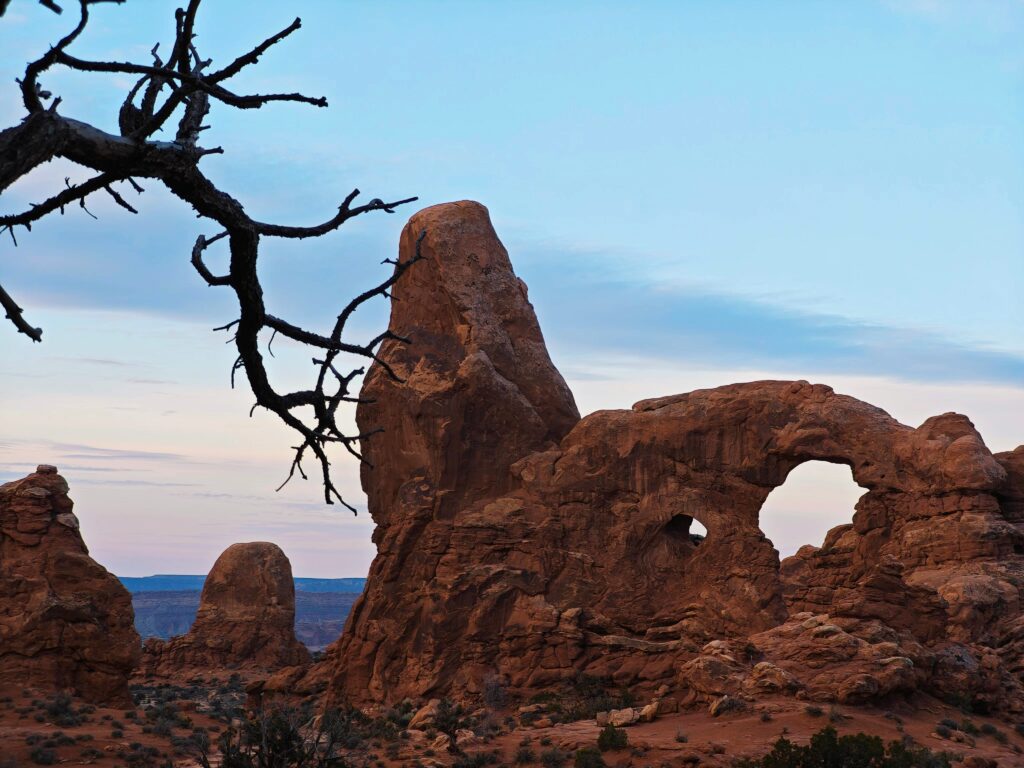
🌿 Conclusion: Reconnecting With the Energy of Place
Energetic points around the world remind us that location matters. Certain places influence how we feel, think, and connect — not through force, but through presence. Whether shaped by nature or guided by human intention, these locations encourage stillness, awareness, and perspective.
By visiting or even learning about these places, many people begin to notice how environment affects inner balance. Mountains invite clarity. Water encourages release. Sacred structures support reflection. Together, these spaces highlight humanity’s long-standing relationship with the Earth and its subtle rhythms.
If you feel drawn to nature-based spirituality, you may also enjoy exploring our article on how trees carry grounding energy and symbolic meaning across cultures, offering calm and connection through their presence.
👉 The Ancient Wisdom of Trees: How Nature Holds Our Healing, Energy, and Spiritual Truths
For those interested in a broader perspective on sacred sites and Earth energy, this trusted resource explores global power places and their historical significance:
👉 https://www.ancient.eu/sacred-sites/
Ultimately, energetic points do not demand belief. They simply invite attention. In a world filled with movement and noise, these places offer something rare — the chance to pause, reconnect, and feel part of something greater than routine 🌍✨.